The baking reference library
Find a baking guide
or calculator.
Find a measurement, work through a baking problem, or check a pantry replacement.
Search with a topic or a question, such as “Can I freeze pumpkin pie?”
103 guides and tools · Draft preview
No matching guides yet. Try a broader word or choose another topic.
 Pantry substitutions
Almond flour substitutes: choose by the recipe
Separate replacing almond flour from adding it to wheat recipes, and avoid a universal flour swap.
Read the draft guide →Tools & referencesBaker’s percentage calculator
Express any ingredient as a percentage of total flour weight, including flour in preferments.
Use the calculator → Printable resources
Baking conversion chart: named weights and useful formulas
Keep ingredient-specific cup weights, oven temperature formulas, and links to baking calculators together in a printable reference.
Read the draft guide → Measurements & techniques
Baking in humid weather
Separate moisture-sensitive textures from temperature problems and plan storage around the finished bake.
Read the draft guide →Tools & referencesBaking pan capacity calculator
Estimate full water capacity from inside dimensions for a straight-sided round or rectangular pan.
Use the calculator →Tools & referencesBaking pan size converter
Compare round or rectangular pan areas, including multiple pans and inch/cm dimensions.
Use the calculator → Pantry substitutions
Baking powder substitute: soda needs an acid
Use a documented baking-soda and cream-of-tartar replacement, with quantity scaling and timing limits.
Read the draft guide → Pantry substitutions
Baking soda substitutes: check the acid before swapping
Understand when baking powder can stand in for baking soda, why equal amounts fail, and which recipes need a different approach.
Read the draft guide → Ingredient comparisons
Baking soda vs. baking powder: choose by the recipe
Compare the two chemical leaveners, understand why a recipe may use both, and avoid equal-amount substitutions.
Read the draft guide → Bake references
Banana bread storage: plain loaves, toppings, and freezing
Plan storage for the actual banana bread recipe, protect cut slices, and keep cream-cheese or other perishable additions in view.
Read the draft guide → Ingredient comparisons
Bleached vs. unbleached flour
Separate flour treatment from flour type, protein, and added leavening.
Read the draft guide →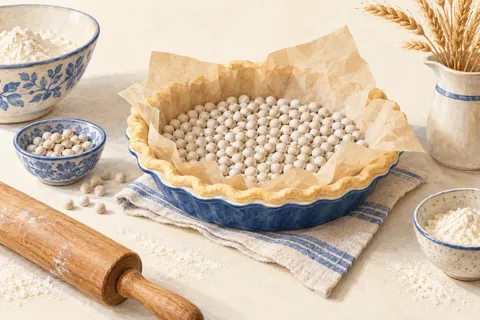 Measurements & techniques
Blind baking pie crust without losing its shape
Understand partial and full prebaking, support the crust, and investigate shrinking or a soggy base.
Read the draft guide →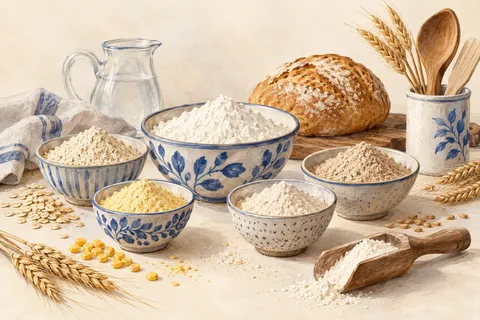 Pantry substitutions
Bread flour substitutes: when all-purpose can work
Use all-purpose flour thoughtfully in bread recipes and understand why liquid balance and expected structure may change.
Read the draft guide →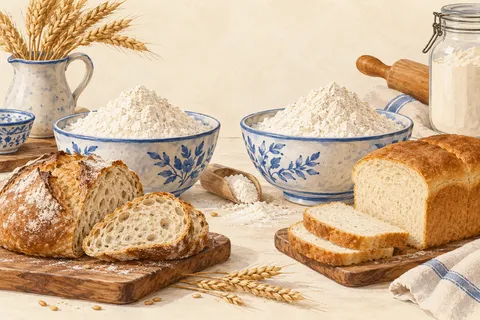 Ingredient comparisons
Bread flour vs. all-purpose flour: strength and handling
Understand the protein difference, why wetter doughs can need stronger flour, and when a flour swap changes the result.
Read the draft guide →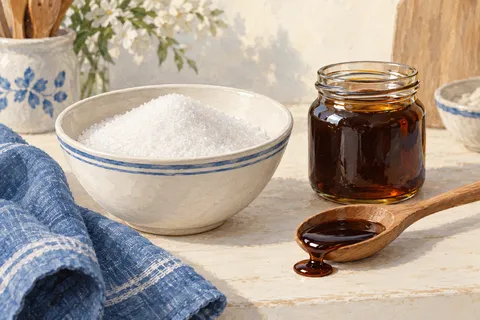 Pantry substitutions
Brown sugar substitute: light, dark, and homemade options
Use a named sugar-and-molasses formula and see why a plain white-sugar swap is a different choice.
Read the draft guide →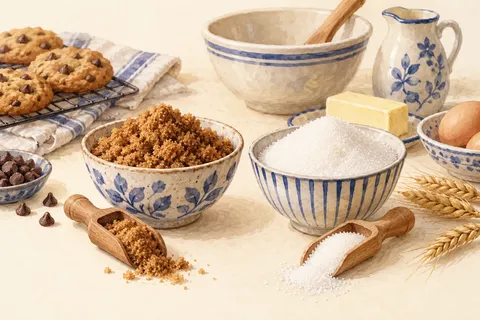 Ingredient comparisons
Brown sugar vs. white sugar in baking
Compare flavor, measuring, and recipe behavior before changing the balance of brown and granulated sugar.
Read the draft guide →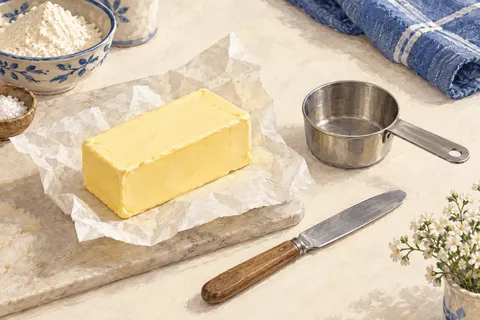 Measurements & techniques
Butter cups to grams and US sticks
Convert butter using a named reference, and distinguish full US sticks from half-sticks and other packaging.
Read the draft guide →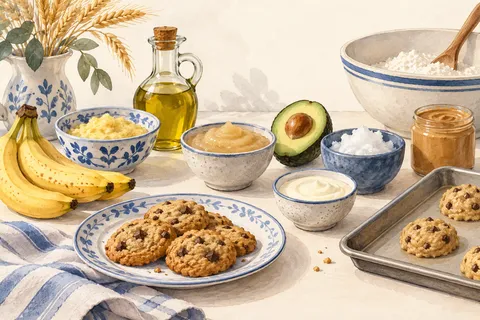 Pantry substitutions
Butter substitutes: choose by mixing method
Compare shortening, oils, and baking spreads according to whether butter is creamed, melted, or kept in cold pieces.
Read the draft guide →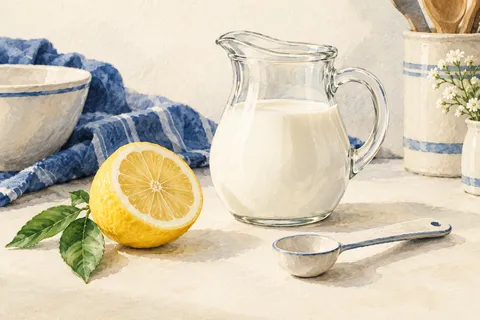 Pantry substitutions
Buttermilk substitute: choose a method that fits
A source-specific acidified-milk method, a smaller-batch table, and the limits of replacing cultured buttermilk in baking.
Read the draft guide → Pantry substitutions
Cake flour substitute: what a flour-and-starch blend can do
Use a named flour-and-cornstarch reference, understand its limits, and avoid confusing cake flour with self-rising flour.
Read the draft guide → Ingredient comparisons
Cake flour vs. all-purpose flour: tenderness and structure
Compare lower-protein cake flour with all-purpose flour and learn why the direction of a substitution matters.
Read the draft guide → Bake references
Cheesecake storage: keep it cold and track the time
Plan refrigeration, serving, and freezing for cheesecake, with source-specific storage limits and clear handling assumptions.
Read the draft guide → Pantry substitutions
Cocoa powder substitutes: chocolate, mix, syrup, or another recipe?
Choose a practical route when cocoa is missing by checking chocolate solids, sugar, fat, liquid, and the recipe’s leavening.
Read the draft guide →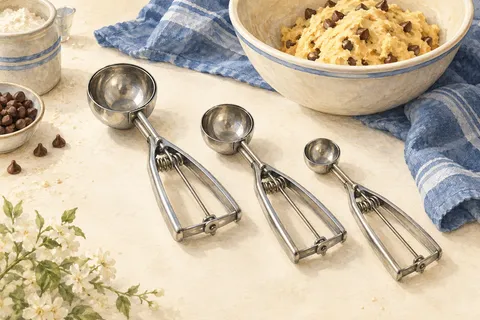 Tools & references
Cookie scoop sizes: capacity before cookie diameter
Read manufacturer scoop capacities and understand why dough weight and baked diameter need recipe-specific information.
Read the draft guide →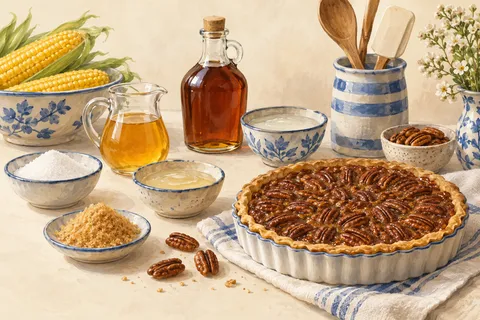 Pantry substitutions
Corn syrup substitutes: baking is not candy making
Choose an alternative by the syrup’s role and distinguish sweetness from texture control.
Read the draft guide →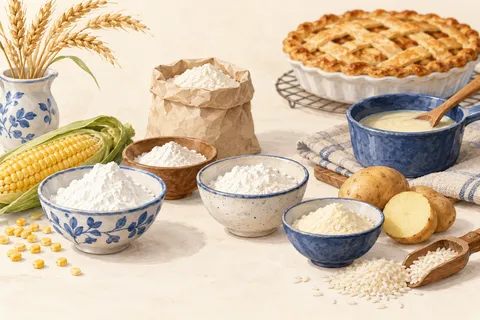 Pantry substitutions
Cornstarch substitutes: choose for the filling or the bake
Compare thickener options without transferring a sauce ratio into cookie dough, cake batter, or a fruit pie.
Read the draft guide →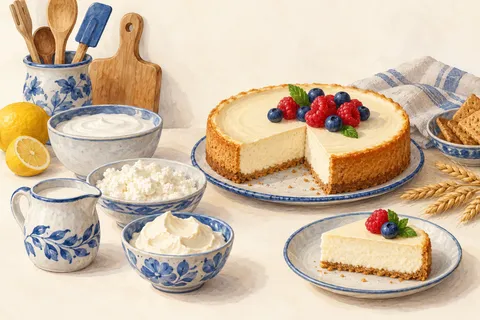 Pantry substitutions
Cream cheese substitutes for baking and frosting
Distinguish block cream cheese, spreads, and recipe-specific dairy-free options.
Read the draft guide →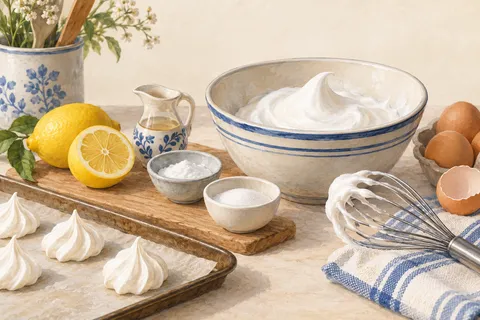 Pantry substitutions
Cream of tartar substitutes: meringue and leavening differ
Identify whether cream of tartar stabilizes egg whites or supplies acid in a leavening system before choosing a replacement.
Read the draft guide →Tools & referencesCups to grams ingredient converter
Select a source weight or your recipe’s own convention for flour, butter, and sugars.
Use the calculator →Tools & referencesDough formula and portion calculator
Turn a complete baker’s-percentage formula into ingredient weights, or work backward from a target dough total.
Use the calculator →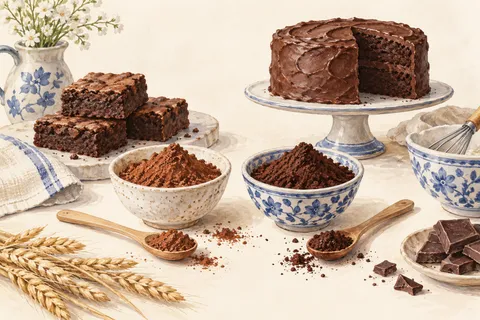 Ingredient comparisons
Dutch-process vs. natural cocoa powder
Understand acidity, color, and leavening before switching cocoa powders.
Read the draft guide →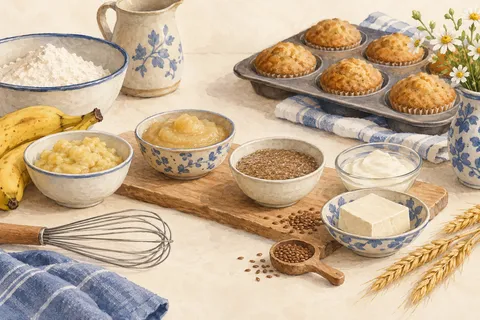 Pantry substitutions
Egg substitutes in baking: match the function
Separate binding, moisture, and whipped structure before selecting an egg alternative; some recipes need a complete reformulation.
Read the draft guide →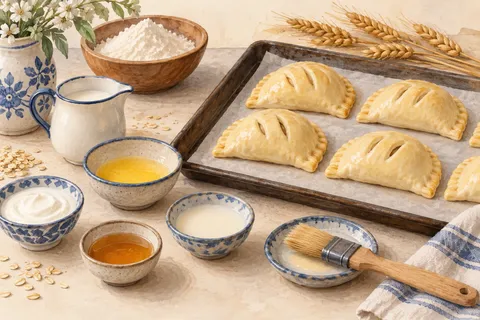 Pantry substitutions
Egg wash substitutes: color, shine, and toppings
Choose a surface wash for its intended finish and distinguish replacing an egg wash from replacing eggs inside a recipe.
Read the draft guide → Pantry substitutions
Evaporated milk substitutes: avoid the condensed-milk mix-up
Understand concentration, sweetness, and substitution direction before replacing canned milk.
Read the draft guide → Measurements & techniques
Flour cups to grams: choose the recipe's reference
Compare 120 g and 125 g flour conventions, convert common quantities, and understand why the recipe's own weight comes first.
Read the draft guide → Bake references
Freezing cookie dough: choose a method for the dough shape
Plan ahead with drop-cookie portions, cut-out dough, or slice-and-bake logs while preserving the recipe’s chilling and baking instructions.
Read the draft guide → Pantry substitutions
Gelatin substitutes: agar is not a universal swap
Match the setting agent to the dessert and distinguish powdered gelatin, sheets, and plant-based gels.
Read the draft guide →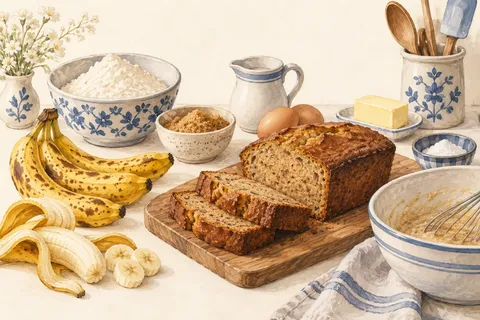 Troubleshooting
Gummy banana bread: check the center and the formula
Investigate an underbaked center, ingredient changes, and pan depth before treating every dense slice as the same failure.
Read the draft guide → Pantry substitutions
Heavy cream substitutes: baking, ganache, and whipping
Choose a replacement according to what the cream does; a milk-and-butter mixture cannot perform every job of heavy cream.
Read the draft guide →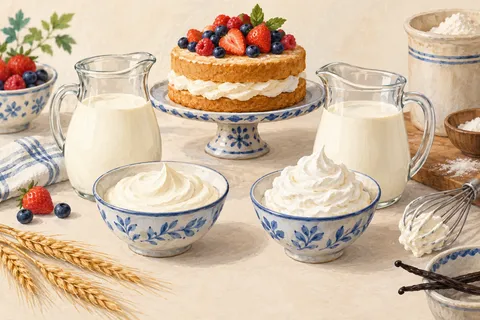 Ingredient comparisons
Heavy cream vs. whipping cream: read the fat level
Compare common US cream labels and understand why the product matters for whipped texture and rich fillings.
Read the draft guide → Measurements & techniques
High-altitude baking: plan adjustments by recipe
Use elevation-specific guidance for cakes, cookies, and bread without applying one universal correction.
Read the draft guide →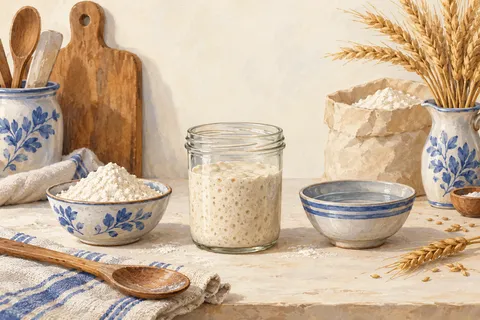 Bake references
How to feed sourdough starter by weight
Understand starter-to-flour-to-water ratios and plan a feed without predicting fermentation from a clock.
Read the draft guide →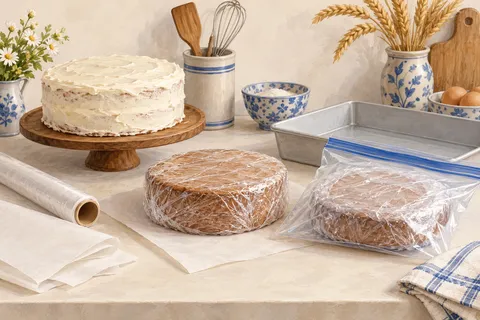 Bake references
How to freeze cake layers and plan the thaw
Protect plain cake layers during freezing and thawing, and check frosting and filling requirements separately.
Read the draft guide →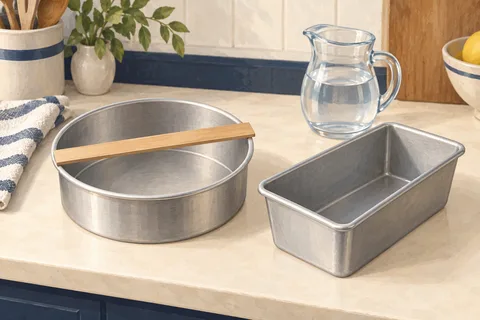 Measurements & techniques
How to measure baking pans: opening, depth, and capacity
Measure inside dimensions, recognize common loaf and sheet-pan labels, and distinguish full water capacity from a safe recipe fill level.
Read the draft guide →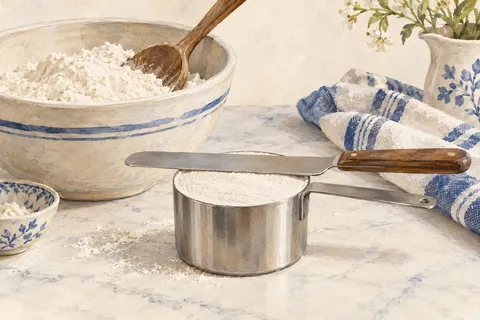 Measurements & techniques
How to measure flour for a recipe
Follow the recipe's gram weights or cup method, and avoid switching measurement conventions halfway through a bake.
Read the draft guide →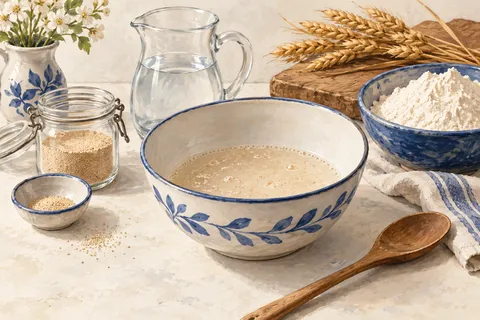 Measurements & techniques
How to proof yeast: test activity before mixing
Distinguish a dry-yeast activity test from proofing bread dough, with manufacturer-specific quantities.
Read the draft guide →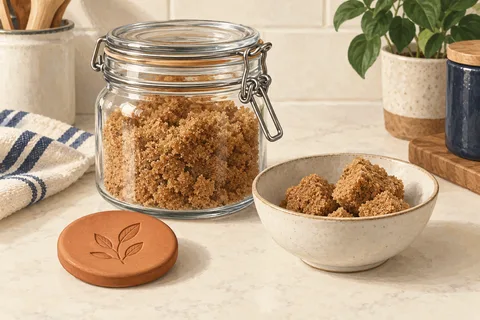 Ingredient comparisons
How to soften brown sugar and keep it soft
Choose a microwave or overnight softening method, keep moisture in the container, and separate hardened sugar from spoiled ingredients.
Read the draft guide →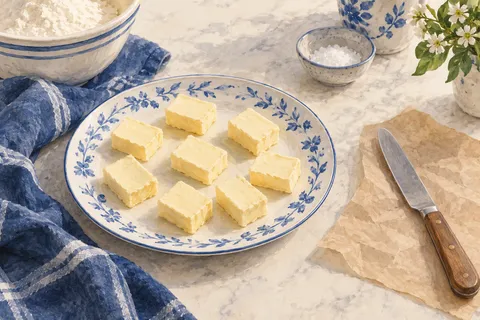 Measurements & techniques
How to soften butter without melting it
Choose a sliced-butter or warm-enclosure method and check consistency instead of relying on a universal timer.
Read the draft guide →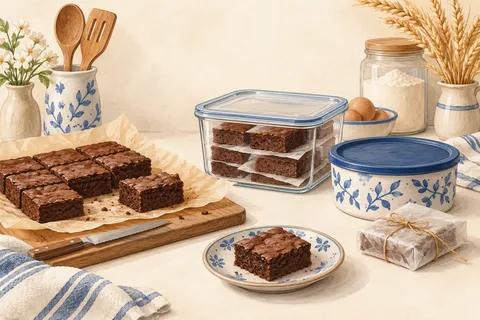 Bake references
How to store brownies, including filled and frosted versions
Protect plain brownies from drying while checking whether toppings, swirls, or fillings require refrigeration.
Read the draft guide →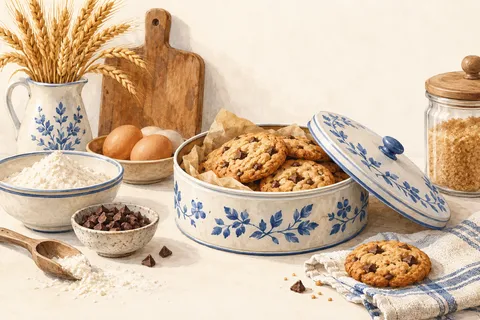 Bake references
How to store cookies: protect texture and check fillings
Choose storage around the whole cookie, including its filling or frosting, and keep texture advice separate from food-safety limits.
Read the draft guide →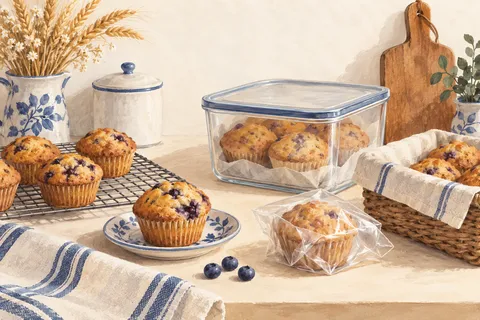 Bake references
How to store muffins without ignoring fillings
Protect plain muffins after cooling, plan freezer portions, and check cream-filled or frosted muffins separately.
Read the draft guide →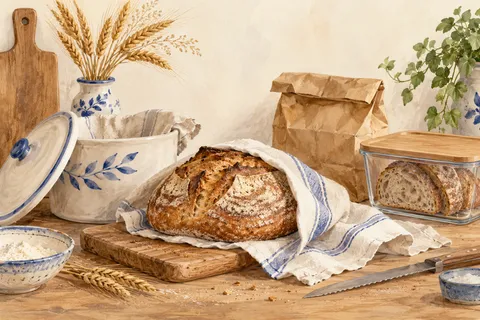 Bake references
How to store sourdough bread
Choose wrapping for crust quality, freeze portions for later, and distinguish plain bread from perishable fillings.
Read the draft guide →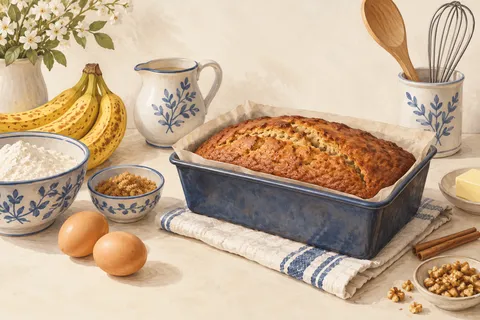 Bake references
How to tell when banana bread is done in the center
Check beyond the browned crust using the recipe’s center tests, pan guidance, and a properly placed thermometer where appropriate.
Read the draft guide →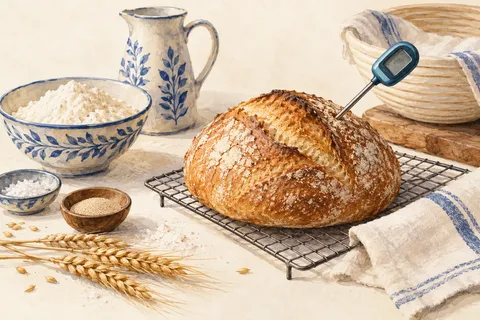 Bake references
How to tell when bread is done
Use loaf style, crust, center temperature, and cooling instructions together.
Read the draft guide →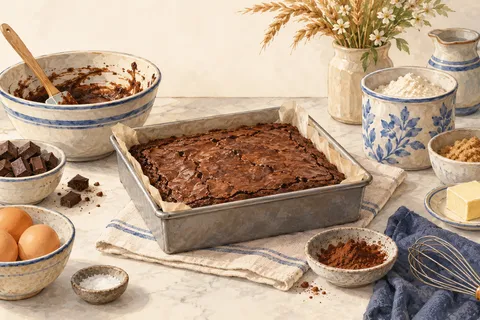 Bake references
How to tell when brownies are done
Distinguish moist crumbs from uncooked batter and assess brownies according to their intended fudgy or cakey style.
Read the draft guide →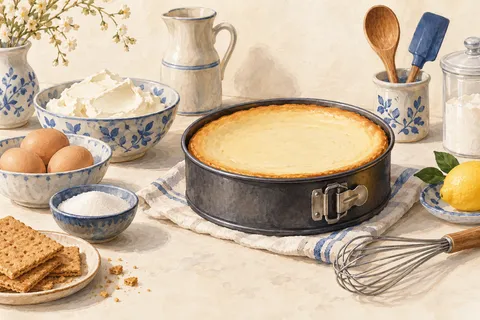 Bake references
How to tell when cheesecake is done
Use the specific cheesecake recipe’s center, edge, temperature, and cooling instructions together instead of waiting for a rigid center.
Read the draft guide →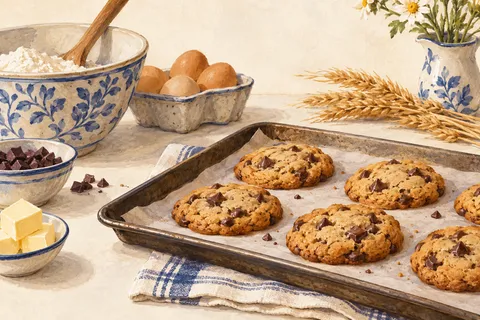 Bake references
How to tell when cookies are done: use the recipe’s cues
Read edges, centers, and cooling instructions together; different cookie styles do not share one universal doneness test.
Read the draft guide →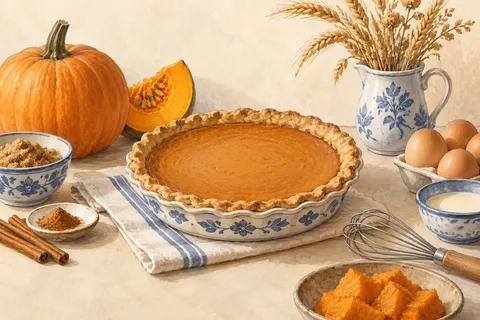 Bake references
How to tell when pumpkin pie is done
Read the set edge and controlled center wobble of a pumpkin custard pie, with temperature guidance kept in recipe context.
Read the draft guide →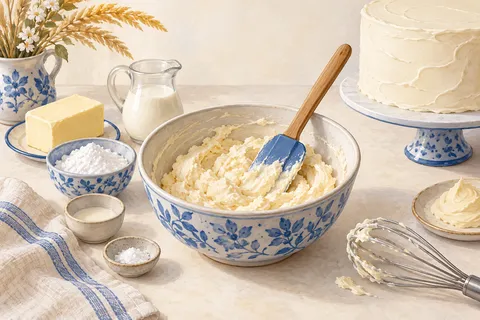 Troubleshooting
How to troubleshoot split buttercream
Separate cold curdling from excess warmth in Swiss and Italian buttercream.
Read the draft guide →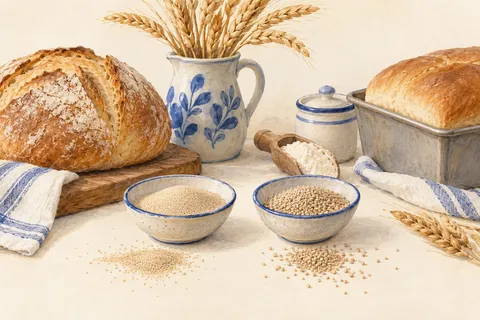 Ingredient comparisons
Instant vs. active dry yeast
Compare dry yeast types, substitution limits, packet sizes, and recipe timing.
Read the draft guide →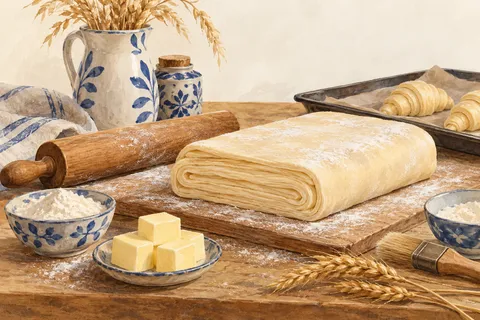 Bake references
Laminated dough: puff pastry, croissants, and phyllo
Understand layered pastry and why different dough families cannot simply replace one another.
Read the draft guide →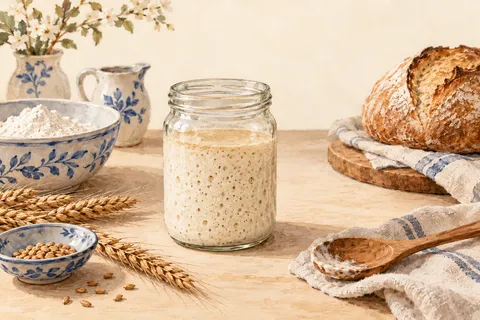 Troubleshooting
Liquid and unusual smells on sourdough starter
Distinguish a fermentation liquid layer from contamination signs that require discarding the culture.
Read the draft guide →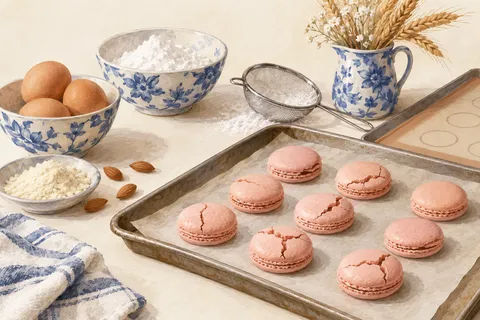 Troubleshooting
Macaron troubleshooting: cracks, hollows, and spreading
Review meringue, macaronage, piping, drying, and baking as separate stages.
Read the draft guide →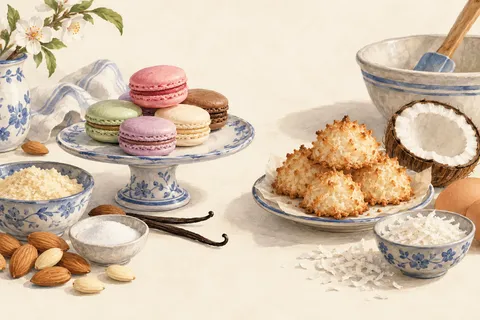 Bake references
Macaron vs. macaroon: two different cookies
Compare French-style filled macarons with coconut macaroons before selecting a recipe.
Read the draft guide →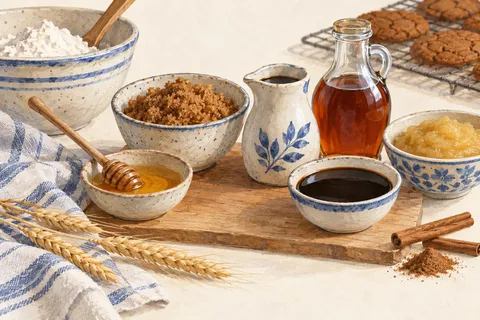 Pantry substitutions
Molasses substitutes: keep blackstrap separate
Understand light, dark, and blackstrap molasses before changing the syrup in gingerbread, cookies, or another bake.
Read the draft guide →Tools & referencesOven temperature converter
Convert Fahrenheit and Celsius exactly, with common baking temperatures for quick reference.
Use the calculator → Ingredient comparisons
Plain flour vs. all-purpose flour: regional names and labels
Translate common flour names while checking protein, added leavening, and the product a recipe was developed around.
Read the draft guide → Pantry substitutions
Powdered sugar substitutes: fineness matters
Understand homemade ground sugar, the role of starch, and why a cup-for-cup swap with granulated sugar can change a recipe.
Read the draft guide → Bake references
Pumpkin pie storage: refrigeration, serving, and freezing
Store traditional homemade pumpkin pie as a perishable custard pie and distinguish it from commercially labeled shelf-stable products.
Read the draft guide →Tools & referencesRecipe scaling calculator
Scale a list of ingredient weights to a different yield, with the full multiplier shown.
Use the calculator → Measurements & techniques
Reverse creaming: how the cake-mixing method works
Understand the paste method and choose a recipe developed for its mixing sequence.
Read the draft guide →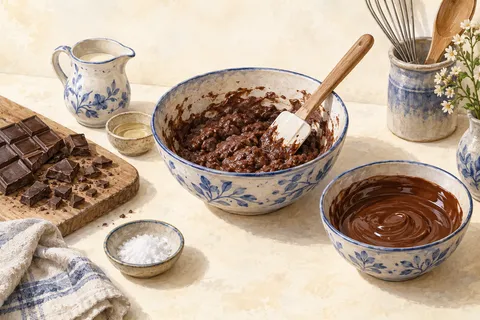 Troubleshooting
Seized chocolate: what can be saved
Understand why a little water can make melted chocolate clump and when repurposing is possible.
Read the draft guide →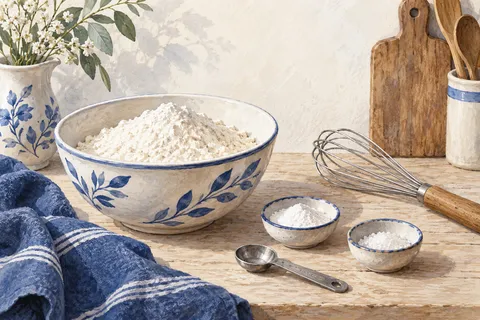 Pantry substitutions
Self-rising flour substitute for a US recipe
A documented flour, baking-powder, and salt blend, with the distinction between base-flour weight and final mixture.
Read the draft guide →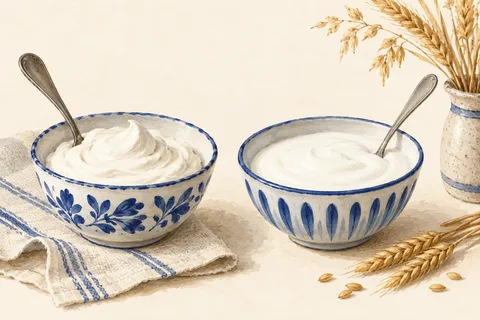 Pantry substitutions
Sour cream substitutes: match thickness, fat, and acidity
Evaluate plain yogurt and other alternatives for a sour-cream bake without assuming every cultured dairy product behaves identically.
Read the draft guide →Tools & referencesSourdough hydration calculator
Count the flour and water in your starter as well as the ingredients added to the final dough.
Use the calculator →Tools & referencesSourdough starter feeding calculator
Calculate seed starter, flour, and water for a chosen total weight and feeding ratio.
Use the calculator →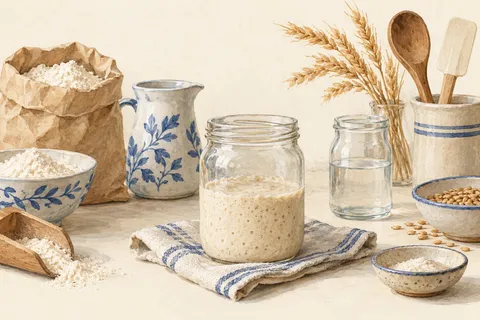 Troubleshooting
Sourdough starter not rising: what to check
Track feed ratios, temperature, maturity, and visible activity without assuming a fixed readiness date.
Read the draft guide →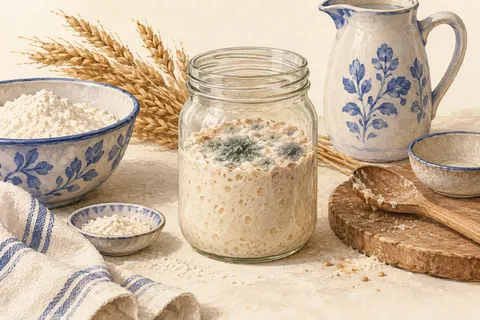 Bake references
Sourdough starter safety: when to discard it
Use clean handling and authoritative discard guidance; do not taste raw starter or attempt to rescue mold.
Read the draft guide → Troubleshooting
Split ganache: check temperature and emulsion
Distinguish separated ganache from unmelted chocolate and use a measured recovery approach.
Read the draft guide → Troubleshooting
Sticky cookie dough: when to chill and when to investigate
Check dough type, recipe stage, temperature, and measurements before adding extra flour to sticky cookie dough.
Read the draft guide →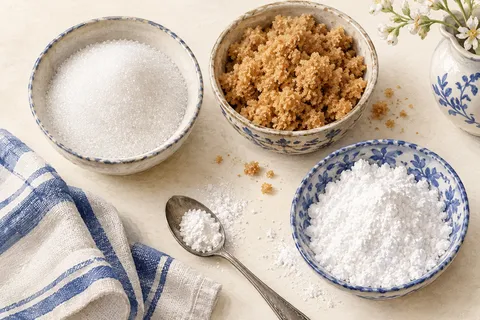 Measurements & techniques
Sugar cups to grams: choose the type first
Compare granulated, packed brown, and unsifted powdered sugar using the same reference records as the converter.
Read the draft guide → Measurements & techniques
Tangzhong vs. yudane: flour scalds for soft bread
Understand the two methods and account for their flour and liquid inside the total dough formula.
Read the draft guide → Bake references
Types of frosting: choose by method and use
Compare buttercreams, cream cheese frosting, royal icing, and ganache before planning a cake.
Read the draft guide → Pantry substitutions
Vanilla extract substitutes: paste, beans, and flavor changes
Choose a supported vanilla replacement and recognize when another extract changes the flavor entirely.
Read the draft guide → Ingredient comparisons
What cornstarch does in cookies—and what it does not do
Understand cornstarch’s recipe-specific texture role without treating it as baking powder or a universal fix for flat cookies.
Read the draft guide → Measurements & techniques
What does room-temperature butter mean?
Check butter consistency for creaming, with a named temperature reference and clear exceptions for cold- or melted-butter recipes.
Read the draft guide → Ingredient comparisons
What eggs do in baking: structure, foam, and emulsification
Understand several jobs eggs perform so changes to whole eggs, whites, and yolks are made with the recipe’s structure in mind.
Read the draft guide → Ingredient comparisons
What is caster sugar? A guide for US bakers
Recognize superfine sugar, distinguish it from powdered sugar, and choose a substitution by weight when a recipe permits it.
Read the draft guide → Troubleshooting
Why are my cookies not spreading?
Check intended cookie style, flour amount, dough temperature, and shaping before changing a drop-cookie recipe.
Read the draft guide → Troubleshooting
Why bread dough is not rising
Check yeast identity, temperature, measurements, and fermentation cues before changing the dough.
Read the draft guide → Troubleshooting
Why bread is dense: follow the dough’s history
Separate expected crumb, limited rise, excess flour, and incomplete baking.
Read the draft guide → Troubleshooting
Why buttercream is grainy
Identify sugar grit, butter pieces, and a broken emulsion before choosing a fix.
Read the draft guide → Troubleshooting
Why cake is dense: inspect the mixing method first
Distinguish an intentionally close crumb from an unexpectedly heavy cake and check ingredients, aeration, and pan size.
Read the draft guide →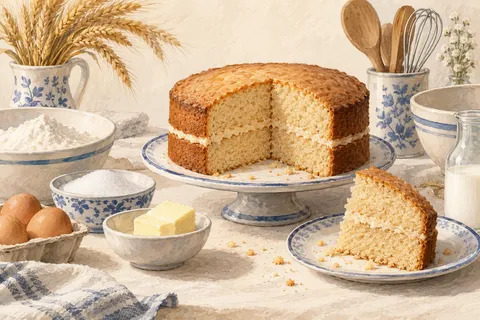 Troubleshooting
Why cake is dry: measurement, baking, and storage
Investigate excess flour, pan changes, oven time, and storage before adding more liquid to a cake formula.
Read the draft guide →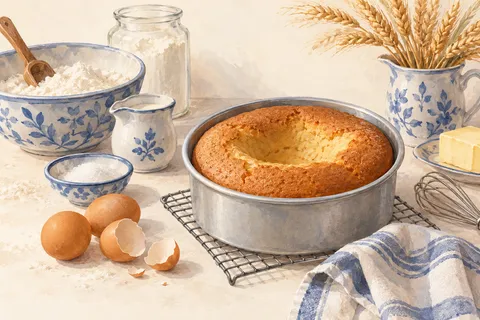 Troubleshooting
Why cakes sink in the middle: a diagnostic guide
Review leavening, doneness, pan changes, and mixing before making another cake with a collapsed center.
Read the draft guide →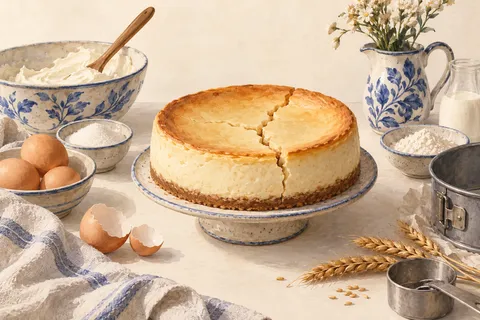 Troubleshooting
Why cheesecake cracks: mixing, baking, and cooling
Investigate excess air, overbaking, and abrupt temperature changes without treating every crack as the same problem.
Read the draft guide →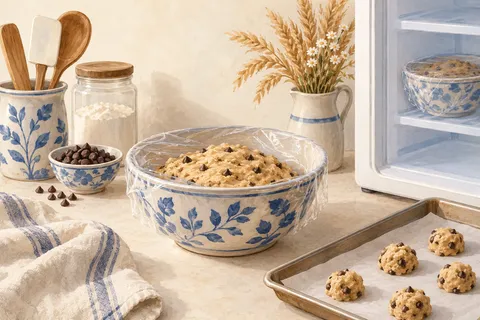 Measurements & techniques
Why chill cookie dough—and when that advice does not apply
Understand how resting affects drop-cookie handling and spread, while respecting recipes that should be baked promptly.
Read the draft guide →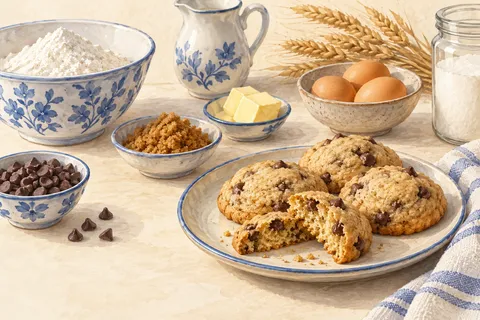 Troubleshooting
Why cookies turn cakey: flour, liquid, and method checks
Separate an intentionally soft cookie from an unexpectedly cake-like result, then choose one useful change for the next batch.
Read the draft guide →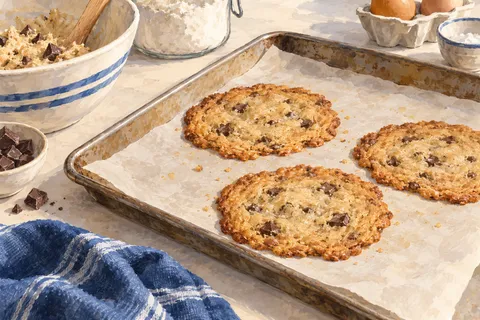 Troubleshooting
Why did my cookies spread too much?
Work through flour measurement, butter handling, dough chilling, and tray setup to investigate flat drop cookies.
Read the draft guide →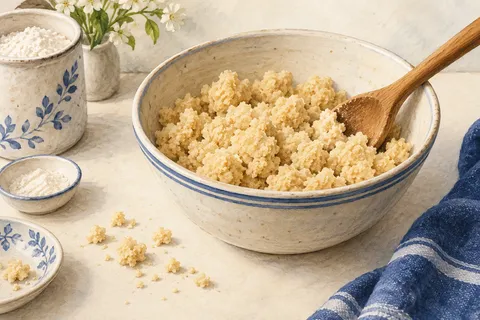 Troubleshooting
Why is my cookie dough crumbly?
Distinguish an expected mixing stage, cold dough, and a measurement change before adding liquid to cookie dough.
Read the draft guide →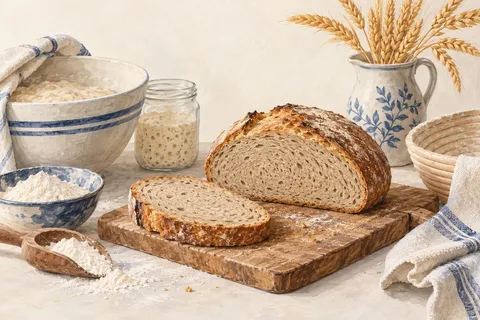 Troubleshooting
Why sourdough bread is dense
Review starter readiness, fermentation, dough strength, and baking instead of chasing larger holes alone.
Read the draft guide → Pantry substitutions
Xanthan gum substitutes in gluten-free baking
Compare recipe-specific psyllium and guar options without treating all binders as interchangeable.
Read the draft guide →Tools & referencesYeast packet and weight converter
Convert dry yeast between grams, US packets, and approximate teaspoons using the Red Star convention.
Use the calculator →